In a world defined by constant noise, endless choices, and digital overload, minimalism continues to stand out—not as a trend, but as a necessary counterbalance. While design movements come and go, minimalism endures because it addresses something deeper than aesthetics: the human need for clarity, focus, and intention.
Beyond Aesthetic Simplicity
Minimalism is often misunderstood as simply “having less” or embracing empty spaces. In reality, it’s about making deliberate choices—removing what is unnecessary to highlight what truly matters. Whether in design, architecture, or daily life, minimalism prioritizes function, purpose, and meaning.
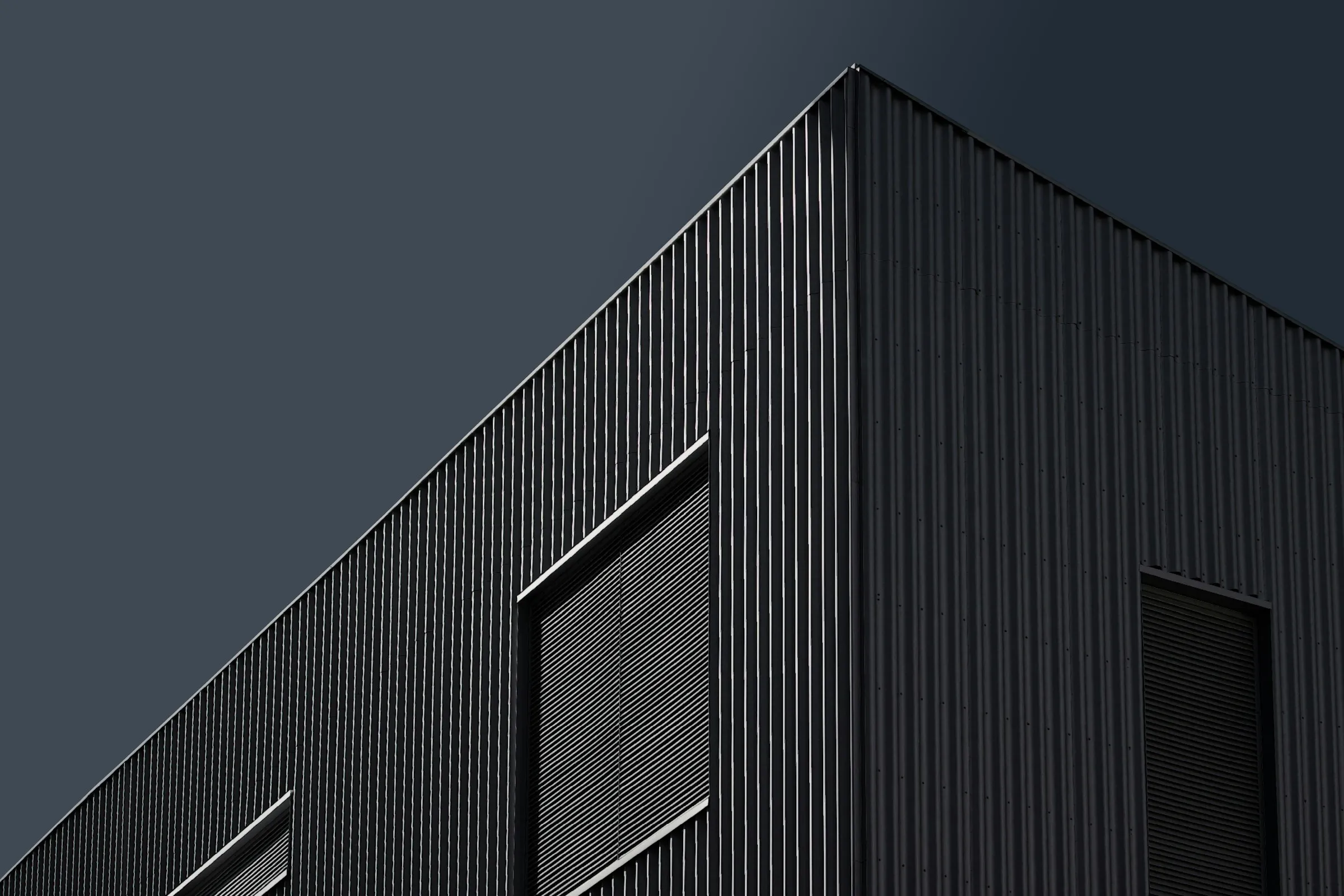
Clean lines, neutral palettes, and uncluttered environments are not just visually appealing—they create a sense of order that helps people think more clearly and feel more at ease.
A Response to Overload
Modern life is saturated with information, notifications, and constant stimulation. From crowded interfaces to cluttered living spaces, this overload can lead to stress, distraction, and fatigue.
Minimalism offers a solution by reducing visual and cognitive noise. A simplified environment allows the mind to rest, improving concentration and overall well-being. In this sense, minimalism is not about deprivation—it’s about relief.
Function First
At its core, minimalism is deeply functional. Every element in a minimalist space or product serves a purpose. There is no room for excess or decoration without intent.
This approach leads to better design. Products become more intuitive, spaces become easier to navigate, and experiences become more seamless. By focusing on essentials, minimalism enhances usability without sacrificing beauty.

Timelessness Over Trends
One of the reasons minimalism remains relevant is its timeless quality. While bold styles and decorative trends may quickly feel outdated, minimalist design tends to age gracefully.
Its emphasis on simplicity and balance creates a foundation that can adapt over time. A minimalist space or product can evolve with small changes, without requiring complete reinvention.
Sustainability and Conscious Living
Minimalism also aligns closely with sustainability. By encouraging people to consume less and choose more carefully, it naturally reduces waste and environmental impact.
In design and architecture, minimalist principles often lead to the use of durable materials, efficient layouts, and thoughtful resource management. The idea is not just to create less, but to create better.
Emotional Impact of Space
Spaces influence how people feel, and minimalism creates environments that are calm and intentional. By removing clutter and distractions, it allows key elements—light, texture, proportion—to stand out.
This can have a profound emotional effect. A well-designed minimalist space can feel peaceful, focused, and even inspiring. It provides room not just for movement, but for thought.
Minimalism in the Digital World
The principles of minimalism extend beyond physical spaces into digital design. Clean interfaces, clear navigation, and focused content improve user experience and reduce friction.
In an era where attention is limited, minimalist digital design helps users find what they need quickly and efficiently. It respects their time and attention, making interactions more meaningful.
Not About Less, About Better
Perhaps the most important idea behind minimalism is that it’s not about having less for the sake of it—it’s about making room for what matters most. It encourages intentionality in both design and lifestyle.
Minimalism asks a simple but powerful question: Is this necessary? If the answer is no, it creates an opportunity to simplify, refine, and improve.
