Architecture has always been a reflection of its time. From classical structures rooted in tradition to the clean lines of early modernism, each era has expressed its values through space and form.
Today, modern architecture continues to evolve—moving beyond aesthetics to embrace functionality, sustainability, and human experience.
From Ornament to Simplicity
The early stages of modern architecture marked a departure from ornamentation. Influenced by movements like Bauhaus and International Style, architects began to prioritize simplicity, clean lines, and functional design.
Buildings became more about purpose than decoration. Materials such as steel, glass, and concrete enabled new forms and structures, allowing architecture to break away from historical constraints.
This shift laid the foundation for everything that followed.
Form Follows Function
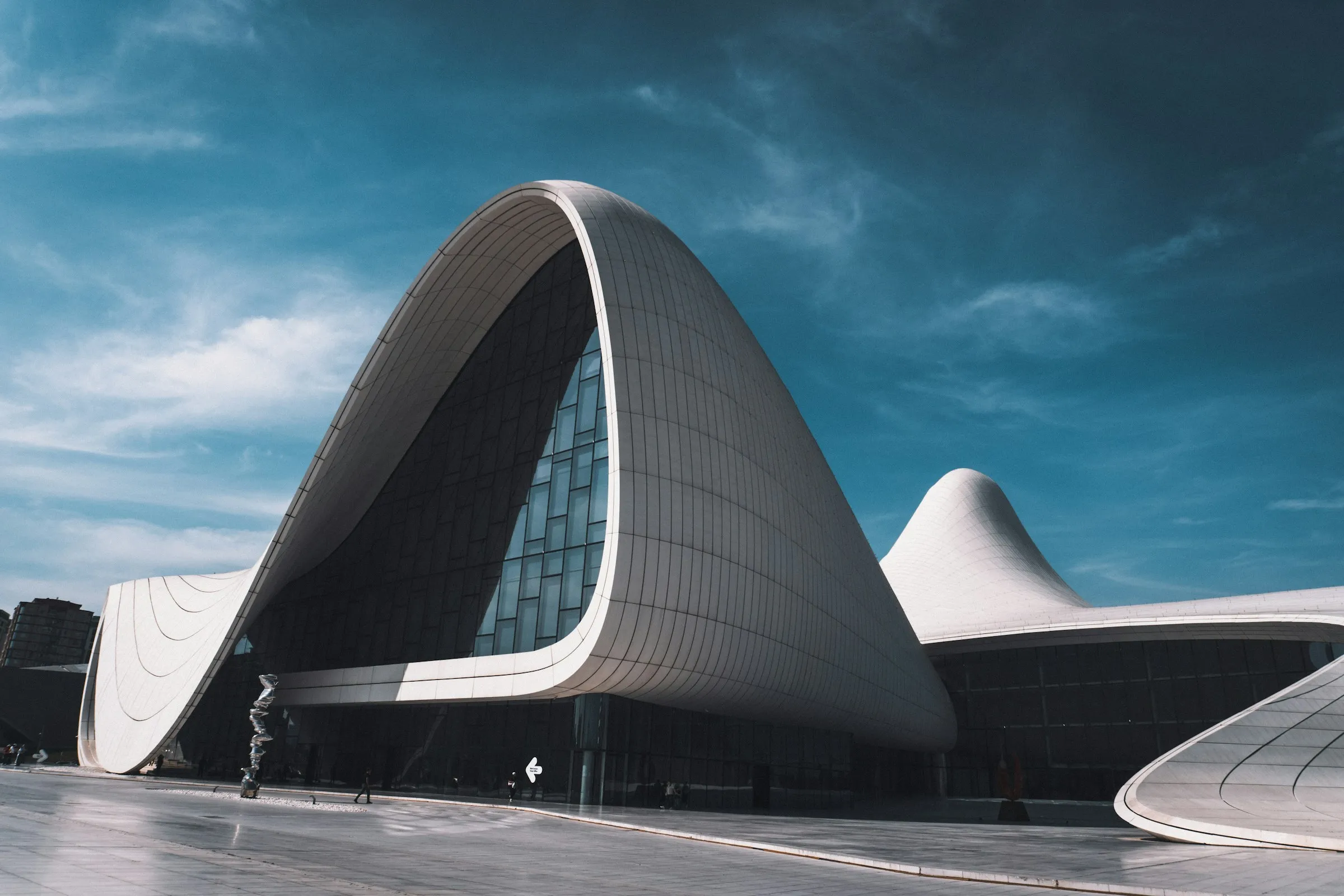
One of the defining principles of modern architecture is the idea that design should be driven by function. Spaces are created based on how they are used, rather than how they appear.
This approach led to more efficient layouts, open floor plans, and adaptable environments. It also influenced how buildings interact with their surroundings, emphasizing practicality and usability. Architecture became a solution, not just a statement.
The Influence of Technology
Advancements in technology have continuously reshaped architectural possibilities. From new construction techniques to digital design tools, technology has expanded what can be built and how.
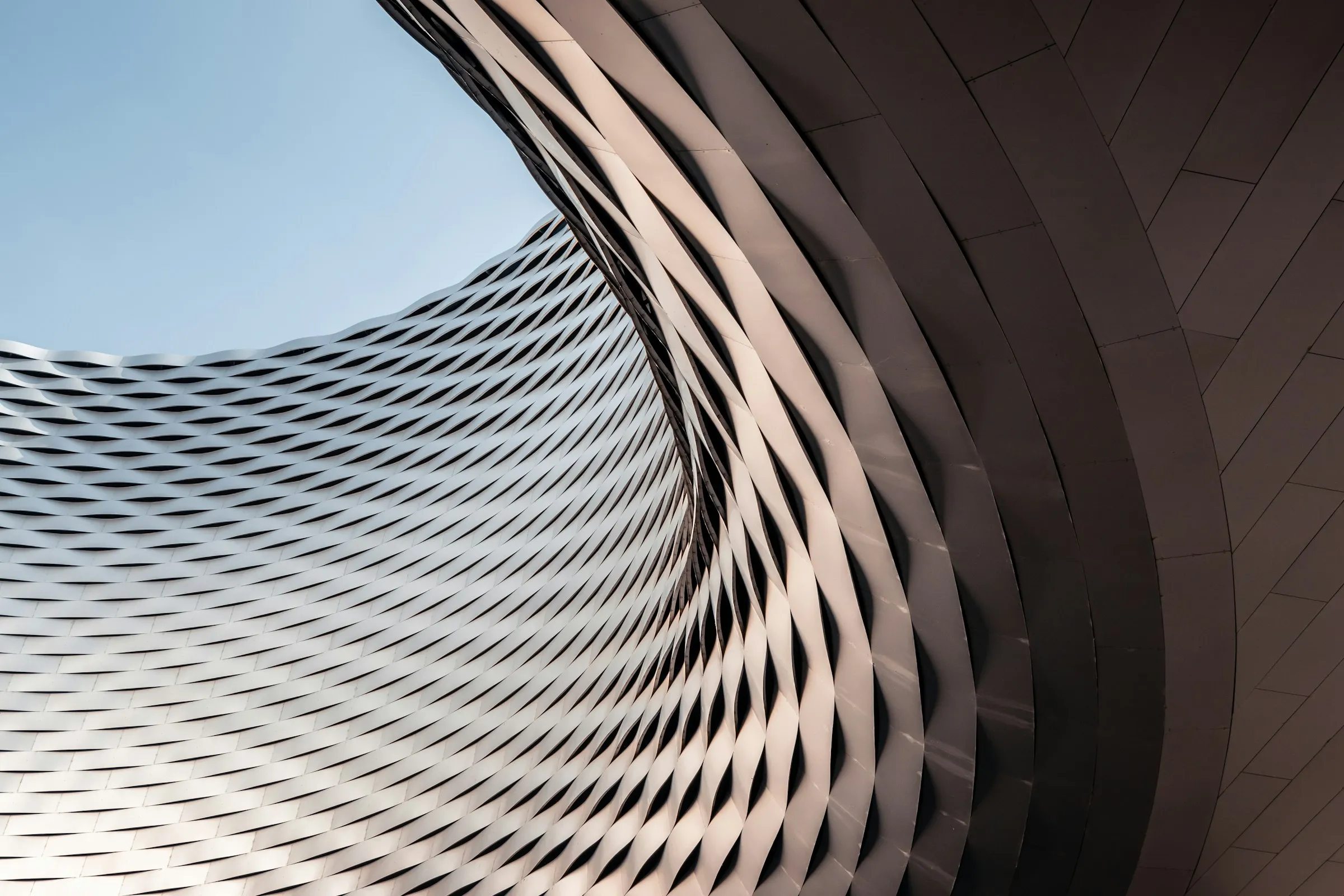
Parametric design, 3D modeling, and advanced materials allow architects to experiment with complex forms and innovative structures. Buildings can now respond to environmental conditions, optimize energy use, and adapt over time.
Technology has transformed architecture from static to dynamic.
Sustainability as a Core Principle
In recent years, sustainability has become central to modern architecture. Environmental concerns have pushed architects to rethink how buildings are designed, constructed, and operated.
Energy efficiency, renewable materials, and green certifications are now key considerations. Concepts such as passive design, natural ventilation, and energy generation are integrated into the structure itself.
Architecture is no longer just about creating space—it is about preserving resources.
Blurring Indoor and Outdoor Spaces
Modern architecture increasingly emphasizes the relationship between built environments and nature. Large glass surfaces, open layouts, and integrated landscapes create a seamless transition between indoors and outdoors.
Natural light, greenery, and outdoor elements are no longer secondary—they are essential components of design.
This connection enhances both aesthetics and well-being.
Human-Centered Design
As architecture evolves, there is a growing focus on how spaces affect people. Comfort, accessibility, and emotional impact are becoming as important as structure and form.
Designers are considering how light, scale, materials, and acoustics influence human experience. Spaces are being created not just to function, but to feel intuitive and engaging.
Architecture is becoming more empathetic.
Urban Density and Vertical Living
With growing urban populations, modern architecture is addressing the challenges of density. High-rise buildings, mixed-use developments, and compact living solutions are becoming more common.
These structures aim to maximize space while maintaining quality of life. The challenge is not just to build upward, but to create environments that remain livable and connected.
Density is being redefined through thoughtful design.
Cultural and Contextual Awareness
While modern architecture often embraces global trends, there is a renewed interest in local identity. Architects are incorporating cultural elements, materials, and traditions into contemporary designs.
This creates buildings that are both modern and rooted in their environment. It reflects a balance between innovation and heritage.
Architecture becomes a dialogue between past and present.
