In a world where information travels instantly and attention is limited, headlines have become one of the most powerful elements of modern communication. They are designed to capture interest quickly, distill complex stories into a few words, and guide how readers engage with content.
But beyond their surface, headlines reveal something deeper—not just about the news, but about how information is shaped, prioritized, and understood.
The Art of First Impressions
For most readers, the headline is the first—and sometimes only—interaction with a story. It sets the tone, frames the narrative, and influences whether the content is explored further.
A well-crafted headline can make a story feel urgent, important, or emotionally charged. It simplifies complexity into something immediate and accessible.
In this sense, headlines are not just summaries—they are interpretations.
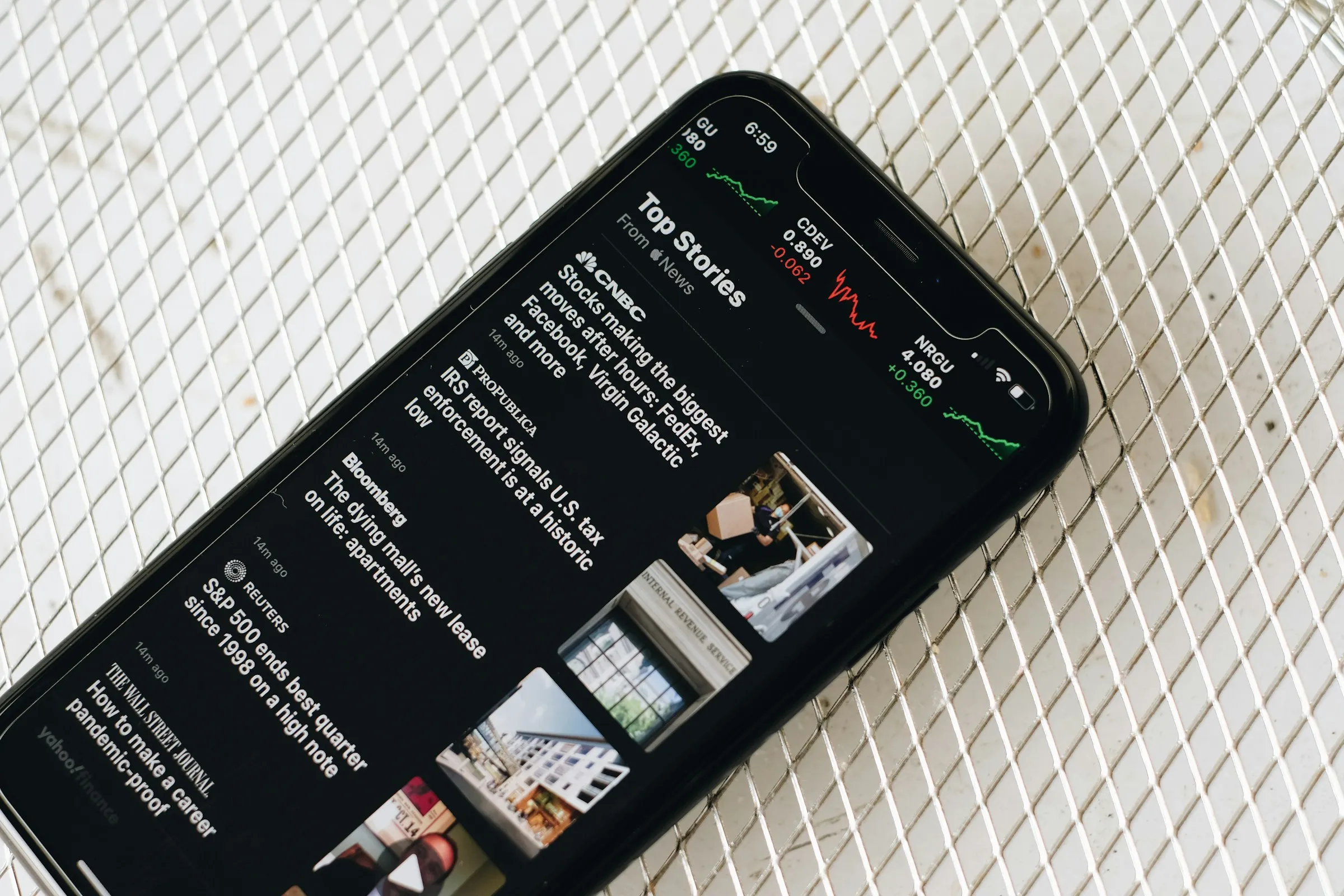
Framing the Narrative
Every headline reflects a choice. What is emphasized, what is omitted, and how something is worded all contribute to how a story is perceived.
This framing shapes not only understanding, but also reaction.
Two headlines about the same event can create entirely different impressions. One may highlight conflict, while another focuses on context or resolution.
Speed Over Depth
In the digital age, speed often takes priority over depth. News cycles move quickly, and headlines are created to keep up with constant updates and competition for attention.
This urgency can lead to simplification. Complex issues are reduced to short, impactful phrases that may not fully capture nuance.
As a result, headlines can sometimes reflect immediacy more than accuracy.

Emotion and Engagement
Headlines are designed to engage, and emotion plays a key role in that process. Words that evoke curiosity, concern, or urgency are more likely to attract attention.
This can amplify certain aspects of a story while minimizing others. Emotional headlines may drive clicks, but they can also shape perception in ways that are not always balanced.
What draws attention is not always what informs best.
The Influence of Algorithms
Behind many headlines is an algorithmic reality. Content that performs well—through clicks, shares, and engagement—is often prioritized.
This creates an environment where headlines are optimized for visibility rather than depth. Certain topics, tones, and structures become more common because they align with what performs best.
The way news is presented is increasingly influenced by how it is consumed.
The Gap Between Headline and Content
In some cases, there is a disconnect between headlines and the full story. A headline may highlight a single aspect of a complex issue, leaving out context that appears later in the article.
For readers who only scan headlines, this gap can shape incomplete or skewed understanding.
This makes critical reading more important than ever.
Patterns in What Gets Covered
Headlines also reveal broader patterns in media focus. Which topics dominate? Which voices are amplified? Which stories are repeated?
These patterns reflect editorial priorities and audience interests, shaping the overall narrative landscape.
Over time, they influence what is seen as important—and what is overlooked.
Reading Beyond the Surface
Understanding headlines requires more than reading them at face value. It involves recognizing the choices behind them and considering what might be missing.
Looking beyond the headline allows for a more complete and balanced perspective.
Awareness turns passive consumption into active understanding.
