As urban populations continue to grow at an unprecedented pace, cities are running out of one critical resource: space. The solution is no longer outward expansion, but upward transformation. Around the world, cities are becoming vertical—reshaping skylines, redefining how people live and work, and introducing new possibilities for sustainable urban life.
The End of Horizontal Growth
For decades, cities expanded horizontally, spreading into suburbs and surrounding land. But this model is becoming increasingly unsustainable. Urban sprawl leads to longer commutes, increased pollution, and the loss of natural ecosystems. As land becomes scarce and expensive, especially in major metropolitan areas, building upward is not just an option—it’s a necessity.
Vertical development allows cities to accommodate more people and services within a smaller footprint, making better use of limited land while preserving surrounding environments.
Skyscrapers as Living Ecosystems
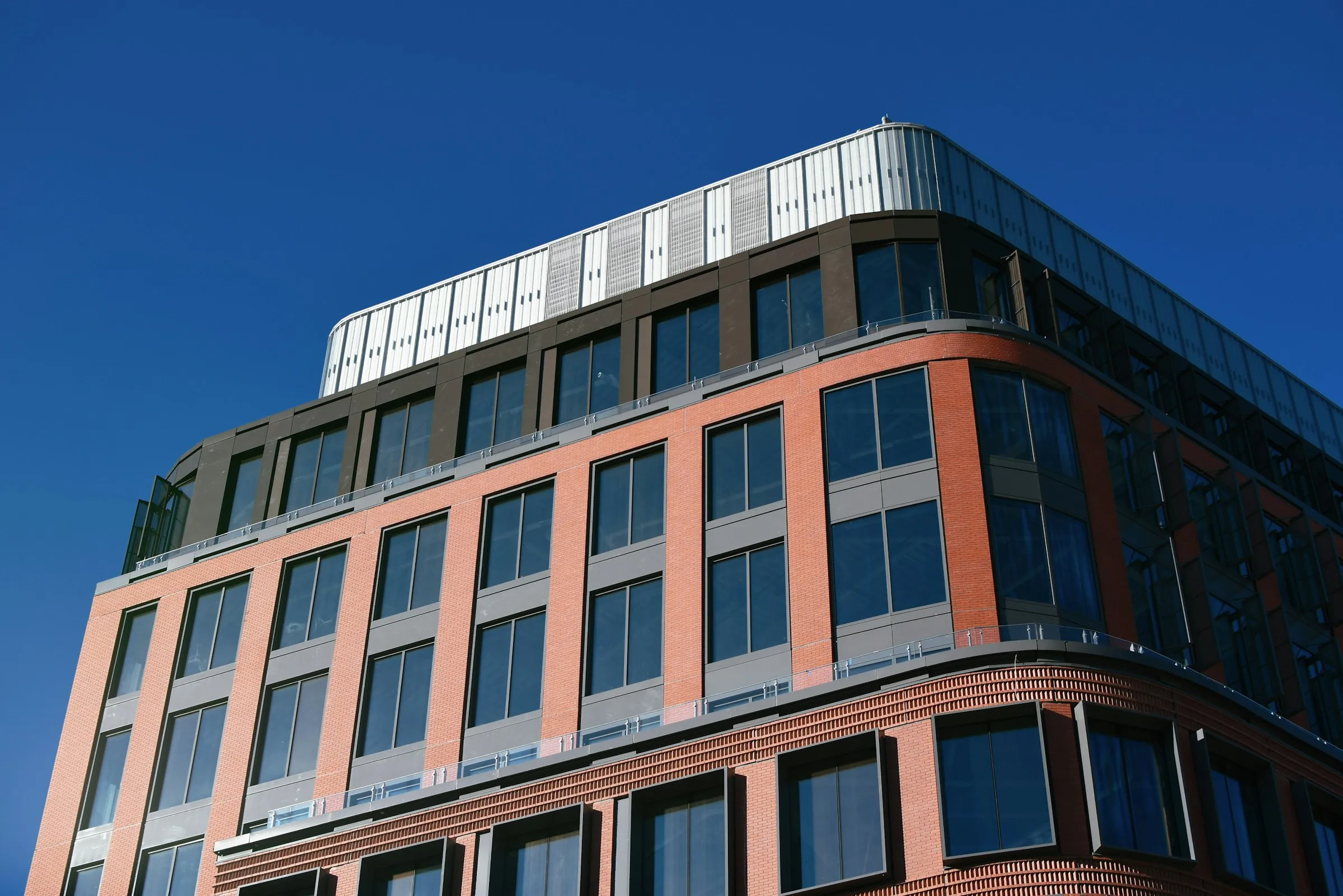
Modern skyscrapers are no longer just office towers or residential blocks—they are evolving into self-contained ecosystems. Mixed-use buildings combine apartments, offices, retail spaces, gyms, and even schools within a single structure. Residents can live, work, and socialize without ever leaving the building.
Some of the most advanced designs incorporate green spaces, vertical gardens, and even urban farms. These features improve air quality, reduce heat, and contribute to a sense of well-being, bringing nature back into dense urban environments.
Technology Driving the Vertical Shift
Advancements in engineering and construction technology are making taller and more complex structures possible. Smart elevators, for example, are revolutionizing how people move within buildings, reducing wait times and energy consumption. Materials like high-strength concrete and carbon fiber allow for safer and more flexible designs.
Additionally, smart building systems use sensors and data to optimize lighting, temperature, and energy use, making vertical living more efficient and environmentally friendly.
Sustainability in the Sky
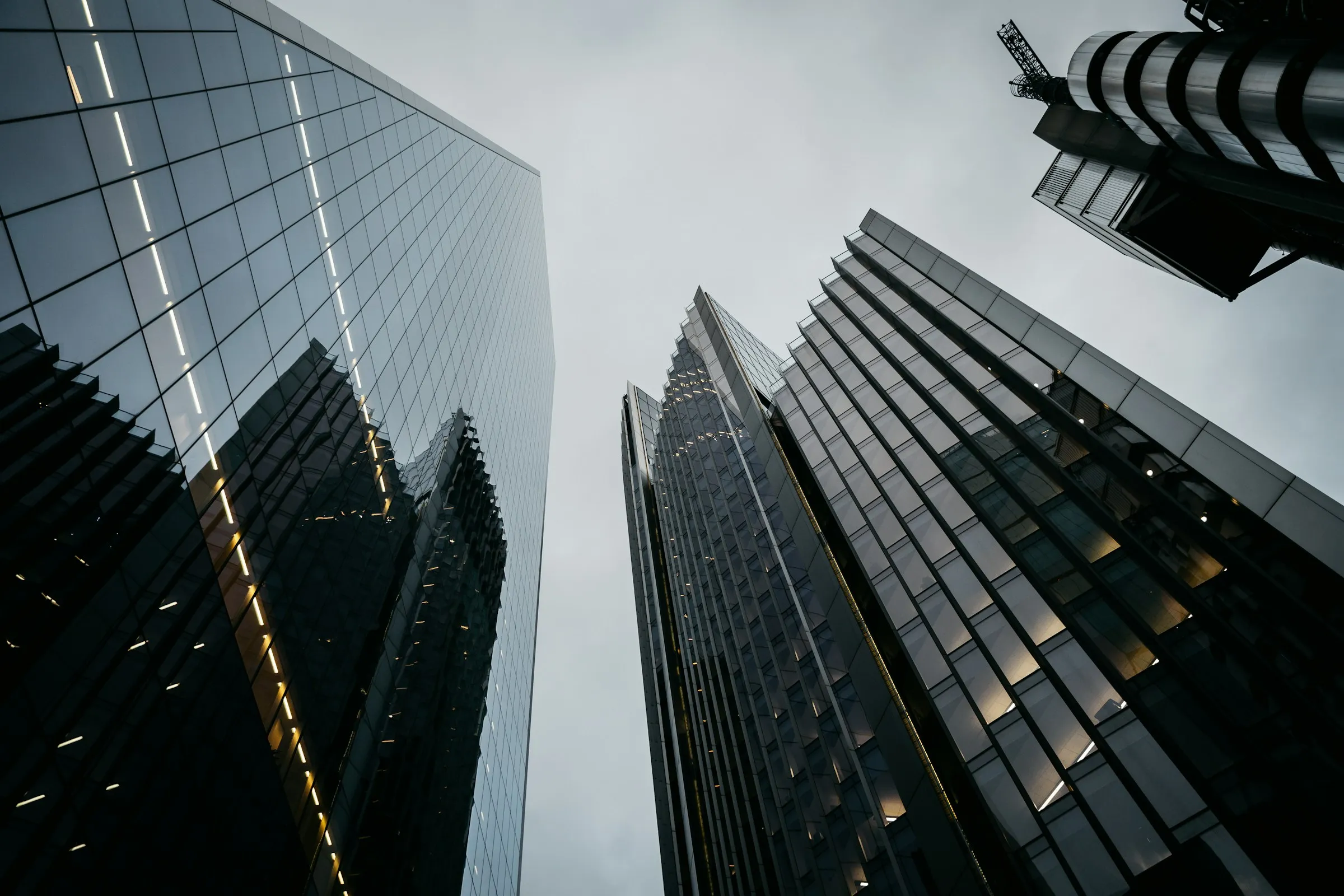
Vertical cities offer unique opportunities for sustainability. By concentrating populations, they reduce the need for long commutes and enable more efficient public transportation systems. Energy systems can be centralized and optimized, while renewable technologies—such as solar panels integrated into building facades—can generate power on-site.
Water recycling systems, waste management innovations, and energy-efficient designs all contribute to reducing the environmental footprint of high-rise living.
Social and Cultural Impacts
As cities grow upward, the way people interact with their environment is changing. Vertical living can foster stronger communities if designed thoughtfully, with shared spaces, communal areas, and accessible amenities.
However, it also presents challenges. Without careful planning, high-density vertical environments can feel isolating or impersonal. Ensuring access to natural light, open spaces, and social interaction is essential for maintaining quality of life.
Rethinking Urban Infrastructure
The rise of vertical cities requires a reimagining of infrastructure. Transportation systems must adapt to handle dense populations concentrated in smaller areas. This includes efficient public transit, pedestrian-friendly design, and integration with emerging mobility solutions.
Emergency services, utilities, and digital infrastructure must also evolve to support complex high-rise environments. The goal is to create cities that function seamlessly both horizontally and vertically.
Challenges and Considerations
While vertical development offers many benefits, it also raises important concerns. Construction costs for high-rise buildings are significant, and affordability can become an issue. There are also safety considerations, from fire protection to structural resilience in the face of natural disasters.
Urban planners must balance density with livability, ensuring that vertical growth does not come at the expense of human comfort and social equity.
A New Urban Dimension
Cities becoming vertical is more than an architectural trend—it’s a fundamental shift in how we think about urban life. By building upward, cities can become more efficient, sustainable, and adaptable to future challenges.
The skyline of tomorrow will not just be a collection of tall buildings, but a dynamic, interconnected environment where life unfolds across multiple levels. In this new urban dimension, height is not just about reaching the sky—it’s about redefining what a city can be.
