Creativity has long been seen as one of the most uniquely human traits—a blend of imagination, intuition, and emotion. But with the rapid rise of artificial intelligence, that definition is evolving. AI is no longer just a tool for automation; it is becoming a collaborator in the creative process, transforming how ideas are generated, developed, and expressed.
From Tool to Creative Partner
In the past, technology supported creativity by making processes faster or more efficient. Today, AI goes a step further. It can generate images, write text, compose music, and even design products. Rather than replacing human creativity, it expands it—offering new starting points, perspectives, and possibilities.
Designers, writers, and artists are increasingly using AI as a partner. It can suggest variations, explore directions that might not have been considered, and accelerate experimentation. The creative process becomes less about starting from scratch and more about refining and curating.
Breaking Creative Barriers
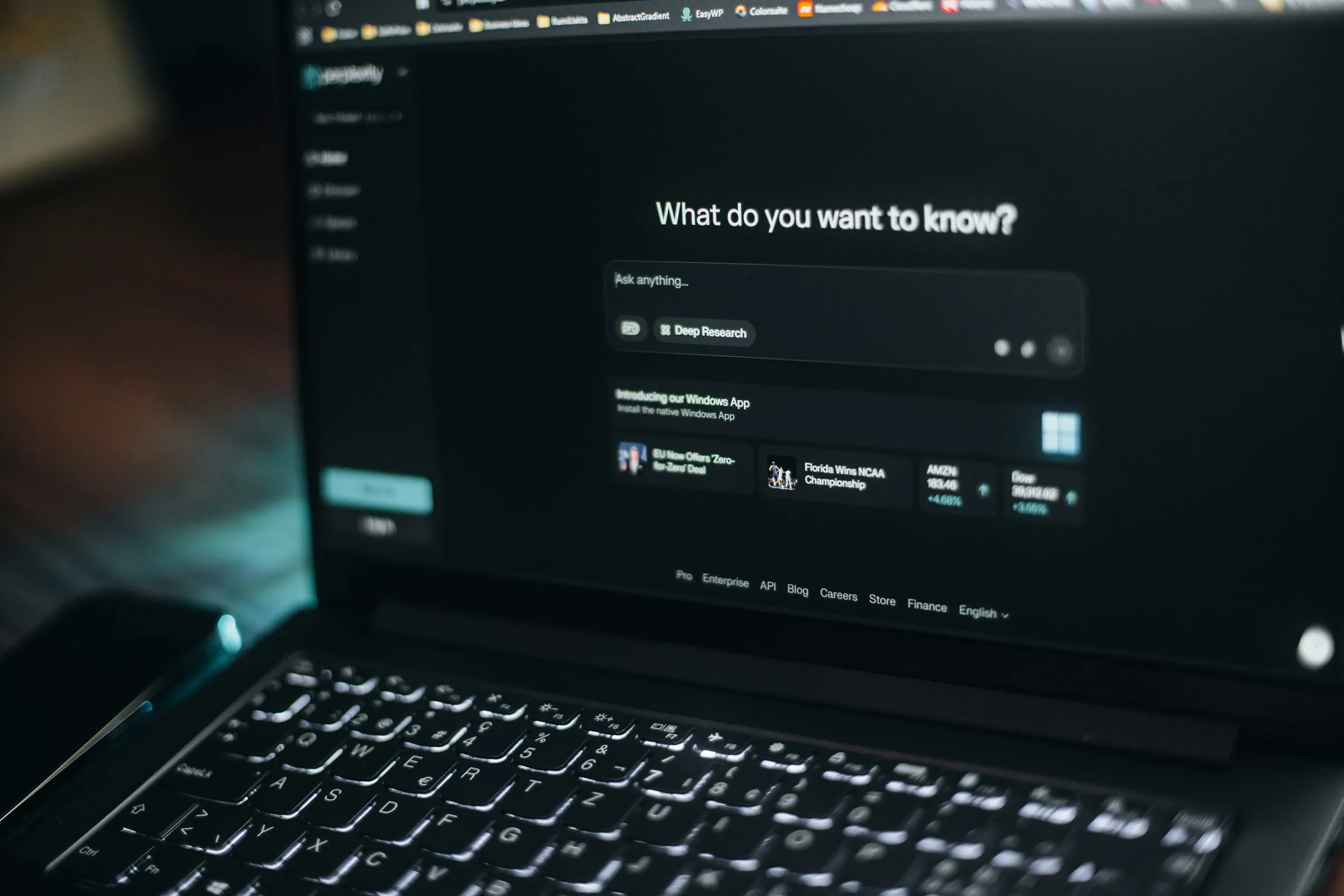
One of AI’s most powerful contributions is lowering the barrier to entry. Tasks that once required years of technical skill can now be explored by anyone with an idea. A person without formal training can generate visual concepts, draft content, or prototype designs within minutes.
This democratization of creativity opens the door to more voices, more diversity, and more innovation. It shifts the focus from technical execution to conceptual thinking—what you want to create, rather than how to create it.
Speed and Iteration
Creativity often depends on iteration—the ability to test, fail, and refine ideas. AI dramatically accelerates this process. What once took hours or days can now happen in seconds.
This speed allows creatives to explore a wider range of options and push ideas further. It encourages experimentation, making it easier to take risks and explore unconventional directions without significant time or resource investment.
New Forms of Expression
AI is also enabling entirely new forms of creative expression. Interactive art, generative design, and adaptive storytelling are just a few examples. Creators can build systems that evolve in real time, responding to user input or environmental data.
These dynamic experiences blur the line between creator and audience, turning creativity into a more participatory and fluid process.
The Human Element
Despite its capabilities, AI does not replace the human element—it reshapes it. Emotion, context, cultural understanding, and intent remain deeply human strengths. AI can generate content, but it doesn’t inherently understand meaning in the way people do.
The role of the creator is shifting from maker to director—guiding the process, setting the vision, and making decisions about what feels right. Creativity becomes less about execution and more about judgment, taste, and storytelling.
Challenges and Ethical Questions
As AI becomes more integrated into creative work, it raises important questions. Who owns AI-generated content? How do we ensure originality in a world where machines can produce endless variations? What happens to traditional creative roles?
There are also concerns about bias, authenticity, and the potential for over-reliance on automated systems. Navigating these challenges will require thoughtful regulation and a clear understanding of AI’s role in the creative ecosystem.
Redefining Creativity
AI is pushing us to rethink what creativity actually means. If creativity is no longer limited by technical skill, it becomes more about ideas, direction, and interpretation. The value shifts toward originality of thought rather than manual execution.
This doesn’t diminish creativity—it elevates it. By removing certain constraints, AI allows humans to focus on higher-level thinking and more ambitious concepts.
A Collaborative Future
The future of creativity is not human versus machine, but human with machine. The most compelling work will likely come from this collaboration—where AI provides speed and scale, and humans provide meaning and vision.
As AI continues to evolve, it will open new creative frontiers that we are only beginning to explore. The tools may change, but the essence of creativity—the desire to express, connect, and imagine—remains firmly human.
