For decades, globalization shaped the way economies functioned—prioritizing scale, efficiency, and global supply chains. Goods traveled thousands of kilometers, production was outsourced, and local economies often took a back seat to international markets. But today, a noticeable shift is underway. Local economies are making a comeback, driven by changing consumer values, technological advancements, and a growing desire for resilience and sustainability.
A Shift in Priorities
Recent global disruptions—from pandemics to supply chain crises—have exposed the vulnerabilities of overly centralized systems. As a result, communities and businesses are rethinking their dependence on distant production and distribution networks.
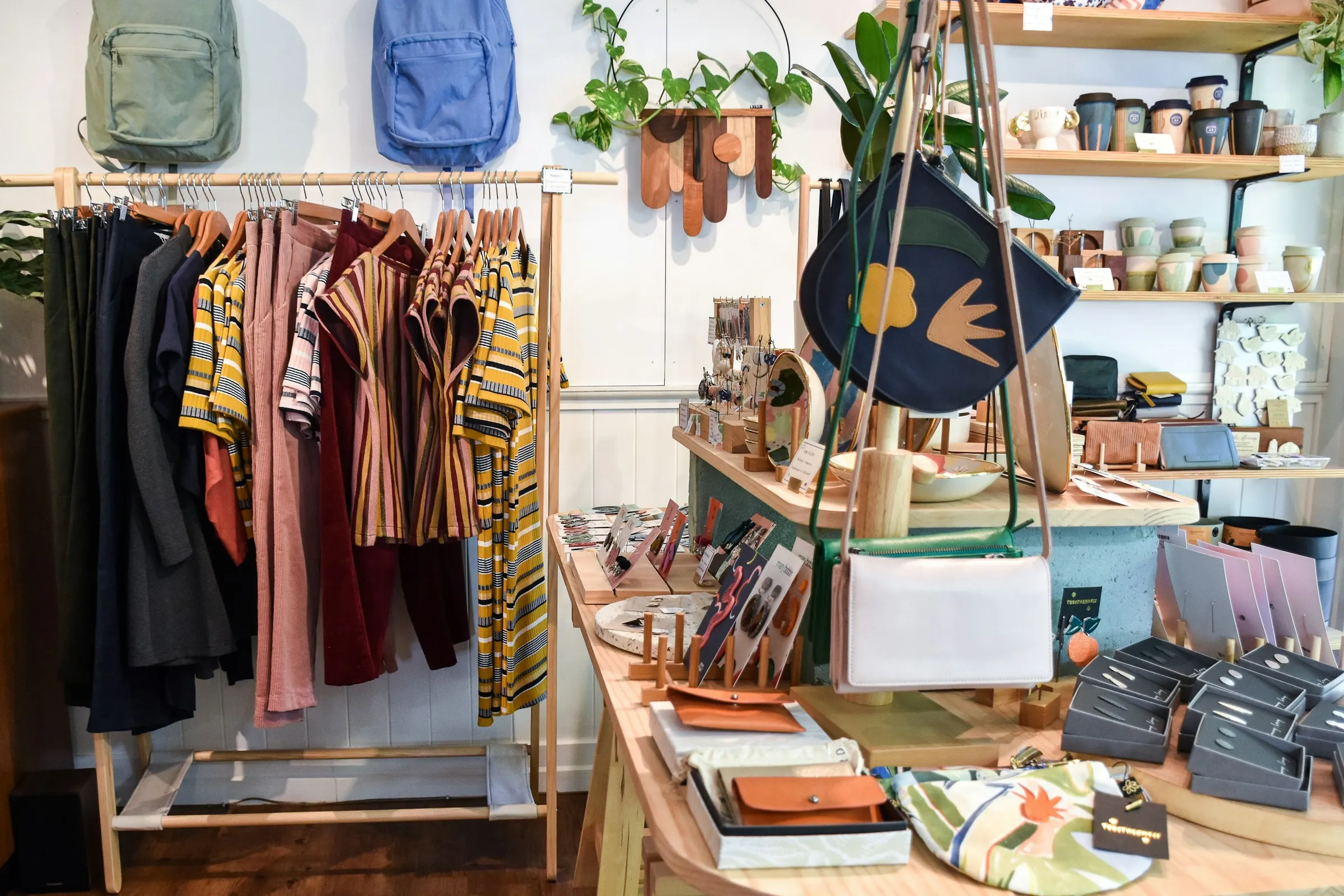
Consumers are also becoming more conscious of where their products come from. There is a growing preference for locally sourced goods, not just for quality, but for transparency and trust. Supporting local businesses is increasingly seen as a way to strengthen communities and create more sustainable economic models.
The Rise of Local Production
Advancements in technology are making local production more viable than ever. Small-scale manufacturing, powered by tools like 3D printing and digital fabrication, allows businesses to produce goods closer to where they are consumed.
At the same time, local food systems are experiencing a resurgence. Farmers’ markets, community-supported agriculture (CSA), and urban farming initiatives are reconnecting people with the sources of their food. This reduces transportation costs, lowers environmental impact, and supports regional agriculture.
Digital Platforms, Local Impact
While the movement toward local economies may seem like a step back from globalization, it is actually being accelerated by digital technology. Online platforms enable small businesses to reach local audiences more effectively, manage operations efficiently, and compete with larger players.
Social media, e-commerce, and digital payment systems have lowered barriers for local entrepreneurs. A small business can now build a strong presence within its community—and even beyond—without needing massive infrastructure.
Strengthening Community Connections
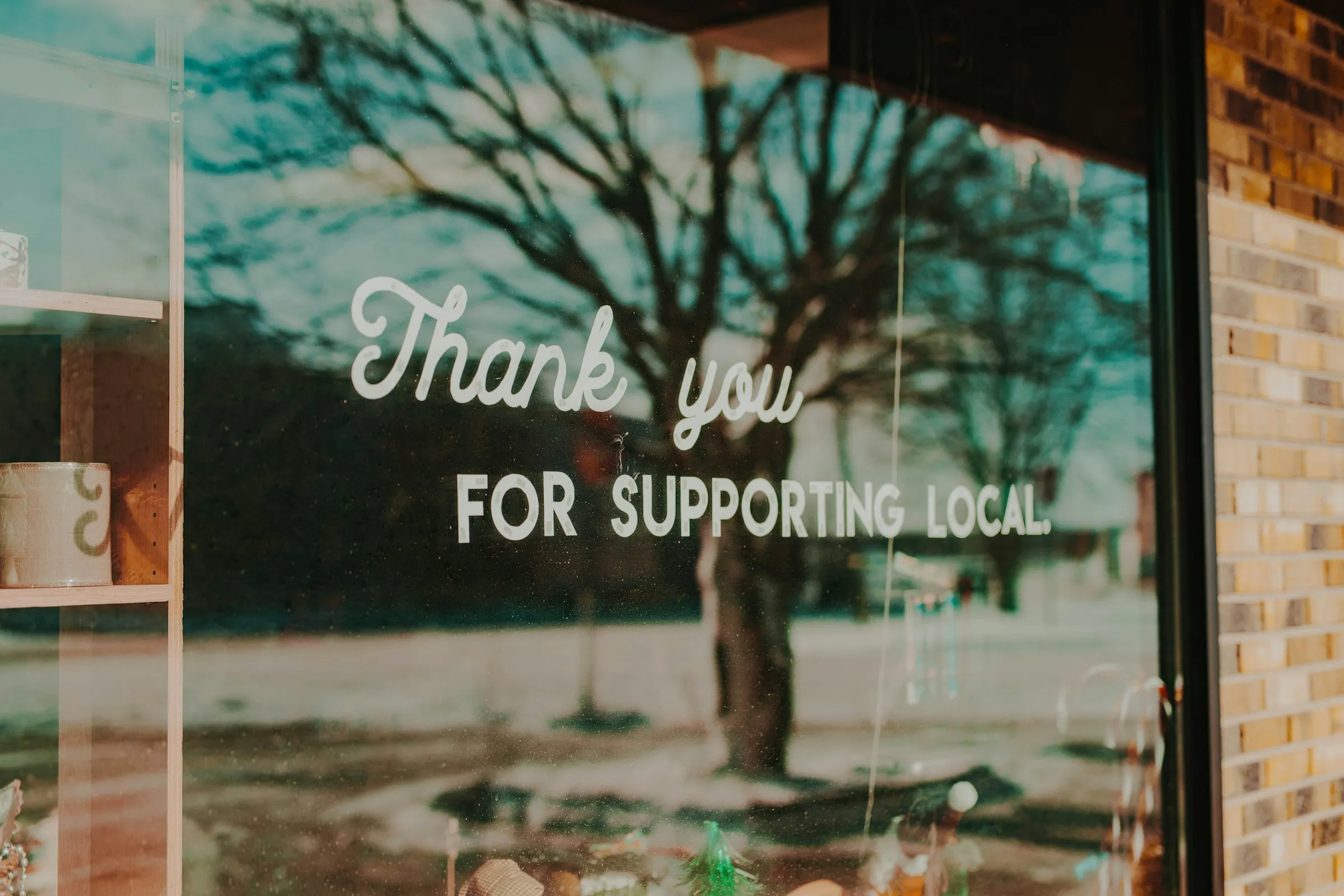
Local economies do more than circulate money—they build relationships. When people buy from local businesses, they are more likely to interact with owners, understand the story behind products, and feel connected to their community.
This sense of connection fosters trust and loyalty. It also encourages reinvestment, as money spent locally tends to stay within the community, supporting jobs, services, and local development.
Sustainability and Reduced Footprints
One of the strongest arguments for local economies is their environmental benefit. Shorter supply chains mean fewer emissions from transportation and less reliance on large-scale industrial production.
Local systems also encourage more responsible consumption. When people are closer to the source of goods, they are often more mindful of quality, waste, and long-term impact. This aligns closely with broader sustainability goals.
Challenges to Overcome
Despite the momentum, rebuilding local economies is not without challenges. Local production can sometimes be more expensive, and scaling small businesses remains difficult. Competing with global corporations that benefit from economies of scale is an ongoing hurdle.
Infrastructure, policy support, and access to funding are critical factors that will determine how far this shift can go. Without the right support systems, local initiatives may struggle to sustain long-term growth.
A Balanced Future
The return of local economies does not mean the end of globalization—it signals a rebalancing. The future is likely to be a hybrid model, where global and local systems coexist and complement each other.
Global networks will continue to provide access to resources and innovation, while local economies will offer resilience, sustainability, and community strength.
Rediscovering Value
At its core, the return of local economies is about rediscovering value—not just in products, but in relationships, craftsmanship, and place. It reflects a broader shift toward intentional living and conscious consumption.
As this movement grows, it has the potential to reshape not only how economies function, but how communities thrive—bringing production, people, and purpose closer together once again.
