In a world that moves at an unrelenting pace, speed has become a default setting. Productivity is measured by how much we can do, how quickly we can respond, and how efficiently we can move from one task to the next.
But beneath this constant motion, a shift is happening. More people are beginning to question whether faster actually means better.
The Illusion of Productivity
For years, busyness has been mistaken for progress. Packed schedules and endless to-do lists create the impression of achievement, even when they lead to exhaustion.
Living faster often means living reactively—responding to demands rather than choosing direction. Over time, this can lead to burnout and a sense of disconnection.
True productivity is not about doing more—it’s about doing what matters.
Redefining What “Better” Means
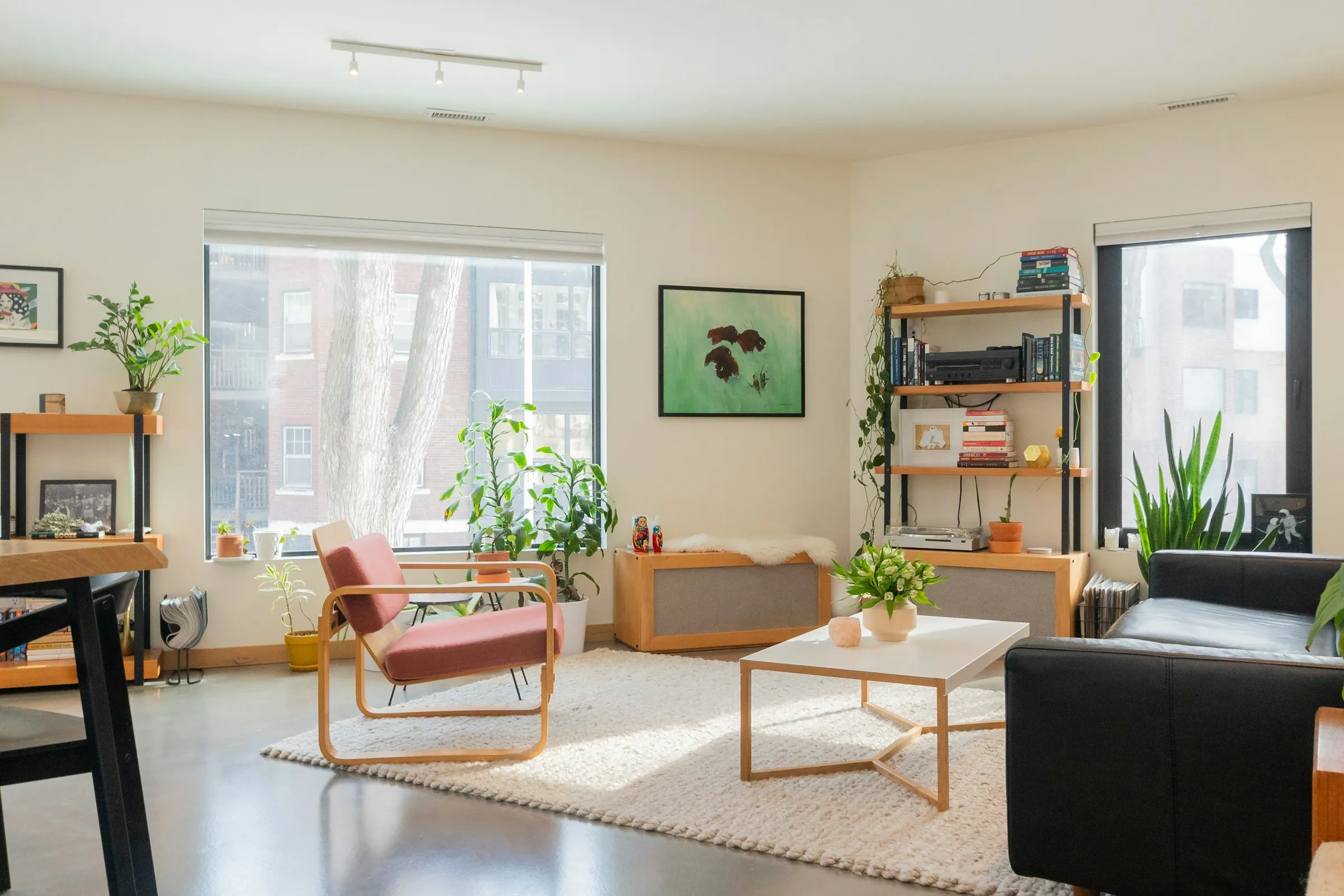
Living better is not about slowing down for the sake of it. It is about being intentional—making choices that align with personal values, priorities, and well-being.
Better is no longer measured by quantity, but by quality.
This shift changes how time is perceived. Instead of something to manage or optimize, time becomes something to experience.
Creating Space for Clarity
When life moves too quickly, there is little room for reflection. Slowing down creates space—space to think, to feel, and to understand what truly matters.
This clarity allows for better decisions and a stronger sense of direction. Without constant noise, it becomes easier to focus on what is meaningful.
In stillness, perspective emerges.
The Role of Environment
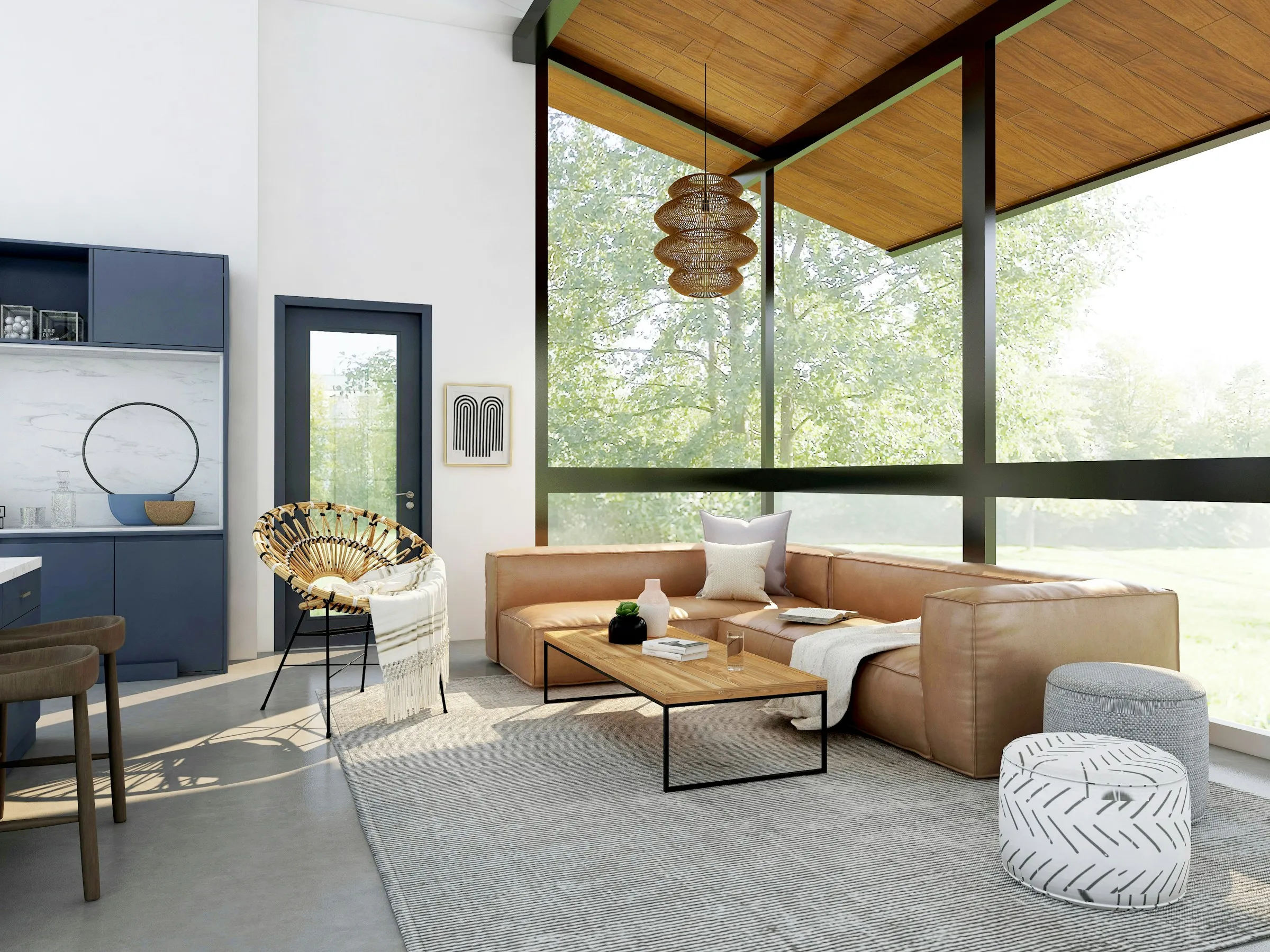
The spaces we inhabit influence how we live. Cluttered, overstimulating environments can reinforce a sense of urgency and distraction.
In contrast, calm and intentional spaces support focus and well-being. Simple design, natural light, and thoughtful organization can create an atmosphere that encourages a slower, more mindful pace.
Environment shapes experience more than we realize.
Technology and Boundaries
Technology has made it possible to do everything faster—but it has also made it harder to disconnect. Notifications, messages, and constant access blur the line between work and rest.
Living better requires setting boundaries. Choosing when to engage and when to step back becomes essential.
Technology should support life—not control it.
Small Habits, Big Impact
A slower, more intentional life is built through small choices. Taking time to focus on one task, being present in conversations, or simply pausing between activities can make a significant difference.
These moments may seem minor, but they shape the overall rhythm of life.
Change does not happen all at once—it happens in patterns.
Finding Balance, Not Perfection
Living better does not mean eliminating speed entirely. There are moments when urgency is necessary and valuable.
The goal is balance—knowing when to move quickly and when to slow down. It is about creating a rhythm that feels sustainable rather than overwhelming.
Balance is not static—it evolves.
A More Intentional Way of Living
As more people embrace this shift, living better becomes less about external expectations and more about internal alignment.
It is a move away from constant acceleration and toward thoughtful presence.
