Cities have always been engines of innovation, but they are now facing unprecedented pressure. Rapid urbanization, climate concerns, and evolving technologies are forcing a complete rethink of how people move within urban spaces. The future of urban mobility is no longer just about getting from point A to point B—it’s about doing so efficiently, sustainably, and intelligently.
A Shift from Ownership to Access
One of the most significant changes already underway is the move away from private car ownership. In many cities, owning a car is becoming less practical due to congestion, parking limitations, and rising costs. Instead, people are turning to mobility-as-a-service (MaaS) models—integrated platforms that combine public transport, ride-sharing, bike rentals, and even scooters into a single, seamless experience.
With a single app, users can plan routes, compare options, and pay for their journeys. This shift emphasizes flexibility and convenience over ownership, especially among younger generations.
Electrification of Transport
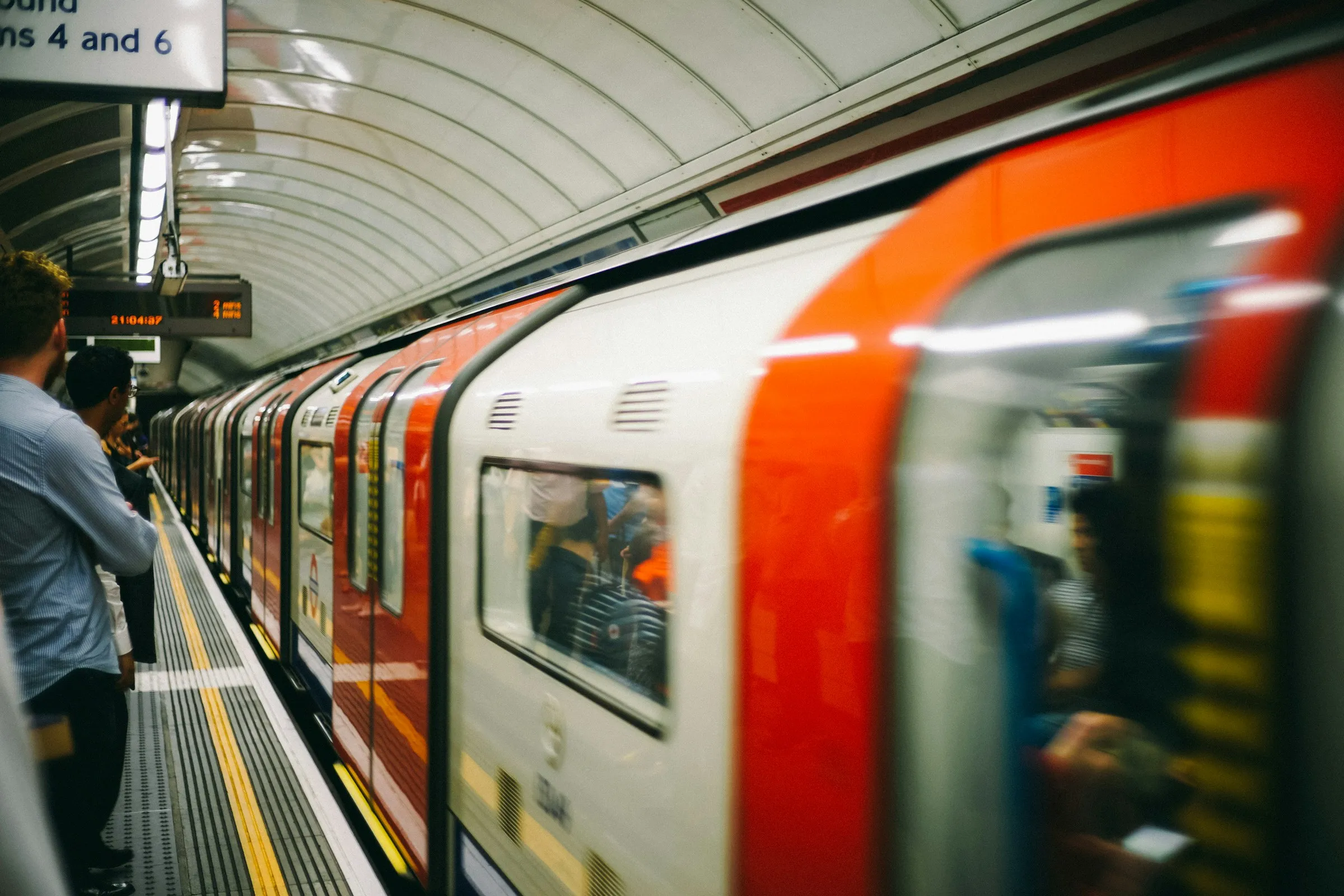
Electric vehicles (EVs) are set to dominate urban transport in the coming decades. Governments worldwide are pushing for reduced emissions, and cities are introducing low-emission zones and incentives for EV adoption. Public transport fleets—buses, taxis, and even delivery vehicles—are rapidly transitioning to electric.
This shift not only reduces greenhouse gas emissions but also improves air quality and lowers noise pollution, making cities healthier and more livable.
The Rise of Micromobility
Micromobility solutions—such as electric scooters, bikes, and compact personal vehicles—are reshaping short-distance travel. These options are ideal for “last-mile” connectivity, bridging the gap between public transport hubs and final destinations.
As infrastructure improves with dedicated bike lanes and smart parking systems, micromobility will become safer and more integrated into everyday urban life.
Autonomous Vehicles and Smart Infrastructure
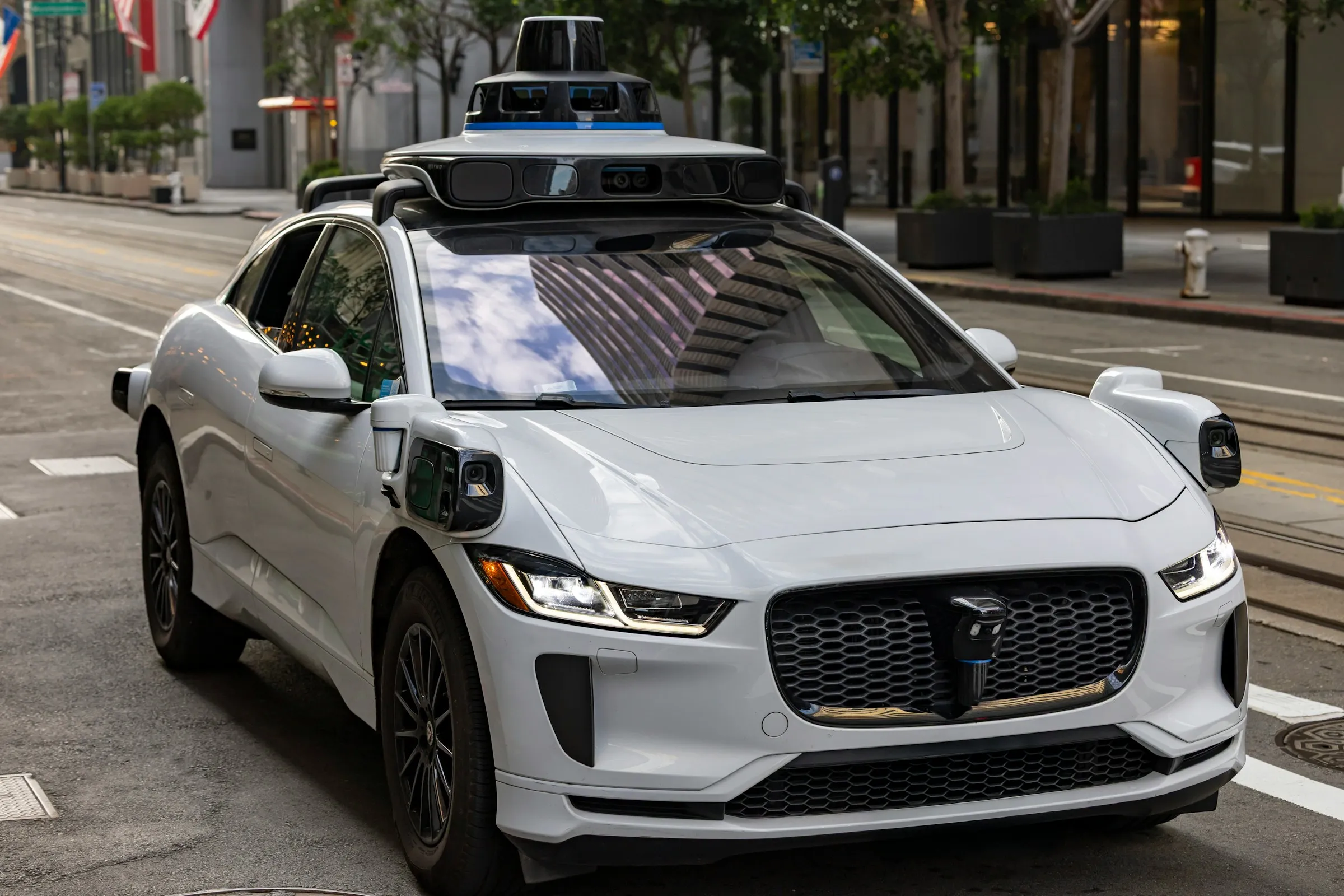
Self-driving technology has the potential to revolutionize urban mobility. Autonomous vehicles (AVs) could reduce traffic accidents, optimize traffic flow, and free up time for passengers. However, their true impact will depend on how they are integrated into city systems.
Smart infrastructure—traffic lights that adapt in real time, sensors that monitor congestion, and AI-driven traffic management—will play a critical role. Together, AVs and smart systems could drastically reduce inefficiencies in urban transport.
Data-Driven Mobility
Data is becoming the backbone of modern mobility systems. Cities are leveraging real-time data to improve transit reliability, manage congestion, and plan infrastructure investments. Predictive analytics can anticipate traffic patterns, while connected vehicles can communicate with each other and with city infrastructure.
However, this also raises important questions about privacy and data security. Balancing innovation with ethical data use will be crucial.
Sustainability at the Core
Sustainability is no longer optional—it’s central to the future of mobility. Cities are prioritizing public transport, walking, and cycling over car-centric planning. Green corridors, pedestrian zones, and car-free districts are becoming more common.
Urban planners are also rethinking city layouts to reduce the need for long commutes altogether, promoting mixed-use developments where people can live, work, and socialize within shorter distances.
Challenges Ahead
Despite the promise, challenges remain. Infrastructure upgrades require significant investment, and not all cities have equal resources. There are also social considerations—ensuring that new mobility solutions are accessible and affordable for all, not just the tech-savvy or affluent.
Regulation will need to keep pace with innovation, especially as new technologies like autonomous vehicles become more widespread.
A More Connected Future
The future of urban mobility is not defined by a single technology but by the integration of many. It’s about creating a connected ecosystem where different modes of transport work together seamlessly.
Ultimately, the goal is simple: cities that are easier to navigate, cleaner to live in, and more inclusive for everyone. As technology continues to evolve, so too will the ways we move—bringing us closer to smarter, more sustainable urban living.
